


General Information
Properly field-
Field Dressing Equipment
A few simple tools are necessary to properly field dress an animal. Tools include a sharp knife and sharpening equipment, a small saw for splitting the sternum and pelvis, a light rope or nylon cord for dragging, disposable vinyl or latex gloves, a cloth for cleanup, and a plastic bag for the liver and heart.
After the Kill
It is important to field dress the animal immediately after the kill. Remove heavy hunting coats and roll up shirts sleeves so they won't be bloodied in the process. A pair of disposable vinyl or latex gloves will reduce the chance of passing infectious diseases and makes hand cleaning easier. Some hunters advocate bleeding the animal by sticking it with a knife just above the breastbone, but most hunters believe that is unnecessary and should be avoided, especially if the head and shoulders are to be mounted.
Legal Requirements
The signed and properly punched permit must remain with the deer carcass. Follow tagging instructions on the permit. The head must remain unskinned and attached to the carcass until it has been checked through an official check station and a seal has been affixed, or during transport to your home and using the new Telecheck System (see below.) The carcass, except for the head, may be skinned prior to checking the deer. To make transporting the carcass out of a difficult area more convenient, the hind one-
The new Nebraska Telecheck System Program allows hunters to check deer or antelope by telephone or online, 24 hours a day, 7 days a week. All deer harvested outside the November firearm season MUST be checked via Telecheck as manual check stations will only be available for the November firearm season. Antelope archers and muzzleloaders also may use Telecheck.
How to get started:
- Make sure you have a pen and your permit.
- Call (800) 405-
7700 or visit www.NEdeercheck.com - Provide the required information, and write the seal number and security code on your cancelled permit.
Field Dressing
Removal of scent glands is not considered necessary, but is done with care by many hunters. Careless removal of the glands can taint the meat if the knife is not thoroughly cleaned afterward. Place the carcass on its back with the rump lower than the shoulders and spread the hind legs. Make a cut along the center-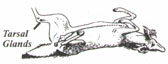 the base of the tail. First cut the hide, then cut carefully through the belly muscle. Avoid cutting into the paunch and intestines by holding them away from the knife with your free hand while guiding the knife with the other. Unless the head is to be mounted, it is advisable to cut through the sternum and extend the cut up the neck to the chin to allow removal of as much of the windpipe as possible. The windpipe sours rapidly and is a leading cause of tainted meat. Cutting with the direction of the hair (from throat to tail) will greatly reduce the amount of hair spreading to the meat. With a small, sharp knife, cut around the anus and draw it into the body cavity so it comes free with the complete intestines. Or, simply break the pelvic bone and pull the innards downward past the spread legs, then go back and cut around the anus last to free it from the hide. A small saw makes cutting the sternum and pelvic bone much easier. Avoid cutting or breaking t
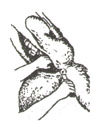 he bladder. Loosen and roll out the stomach and intestines. Save the liver. Splitting the pelvic bone helps hasten cooling. Next, cut around the edge of the diaphragm, which separates the chest and stomach cavities, and split the breastbone. Then, reach forward to cut the windpipe and esophagus ahead of the lungs, which allows removal of the heart from the chest cavity. Save the heart. Drain excess blood from the body cavity by turning the body belly-
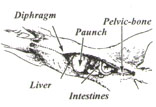 a cloth. Part of the satisfaction of the hunt comes with making a clean kill and properly field dressing the animal. Veteran hunters may have their own variation in field dressing an animal, but the important points are to remove the internal organs immediately after the kill without contaminating the body cavity with dirt, hair or contents of the digestive tract and to drain all excess blood from the body cavity. Trim all parts damaged by a gunshot. If the weather is warm or the animal is to be left in the field for a day or more, it may be skinned (except for the head) and washed clean of dirt and hair. It should be placed in a shroud sack or wrapped with a porous cloth to cool (cheesecloth is ideal). Make sure the cloth is porous enough to allow air circulation but firmly woven enough to protect the carcass from insects and dirt. Adequate cooling may take six hours or more, depending on weather conditions.
The Trip Home
After the animal is checked and sealed, the head may be removed and the animal quartered for easy handling. Hunters should avoid transporting dead animals on the hood or top of vehicles. It is better to transport the animal out of sight or out of the sun in the trunk, inside the vehicle or in a covered truck box or trailer. This will help keep the animal cooler and cleaner. Warm meat spoils quickly. For early-
** Information provided courtesy Nebraska Game and Parks.